
Oct 21, 2020
In most cases, many brands do not realise that they are playing by the rules when it comes to branding. Many play it safely, and do it consciously. “It must be working for them so we should do the same”, is the thought process. But take a moment to consider this; all the big brands were something else when they started. Over the years, logos and names changed and so did their brand identity. Apple had a complex 3D logo before it resonated with the sleek minimalistic. Nike started as ‘Blue ribbon Sports’. Each of them after finding out their space and audience embraced their newfound identity which is unique to them. After that, new brands followed suit.
When it comes to branding, it is entirely up to the brand to either be an innovator or a follower. But so many entrepreneurs end up becoming followers and adopting what is known as ‘blanding’.
Blanding is creating generic brand identities which usually picks up cues from existing brands and interprets them with little or no change. They are strikingly similar in terms of the core vibe and communication. In other words, they ‘go with the trend’.
Blending in versus Standing out
If you are a young brand, always choose to stand out. If your brand shares major similarities with other brands, then you have ample work to do in persuading your customers and convincing them as to how your product is different from others and why they should choose yours. In short, you won’t really have a good brand visibility and recall. Discovering your own niche requires experimentation. Your brand should be bold enough to test new ideas with calculated risks. This is the only way to find your brand’s unique voice and see what resonates with the customers. This does not mean do something obnoxious (although that does work sometimes). Be confident enough to appeal to a market where the majority are busy conforming, and not differentiating. As a result, your brand’s visibility will automatically increase and a niche would be developed over time.
Differentiate. Don’t conform.
When we talk about a brand’s identity, we are really personifying the brand. How it identifies, engages, communicates and delivers should reflect its personality. We don’t want the brand to be superficial by pretending to be someone else. Also, people generally look through it. We want it to explore and develop its own persona to make it truly authentic. This will automatically attract the right audience.

‘The Millennial Aesthetic’ – What is it?
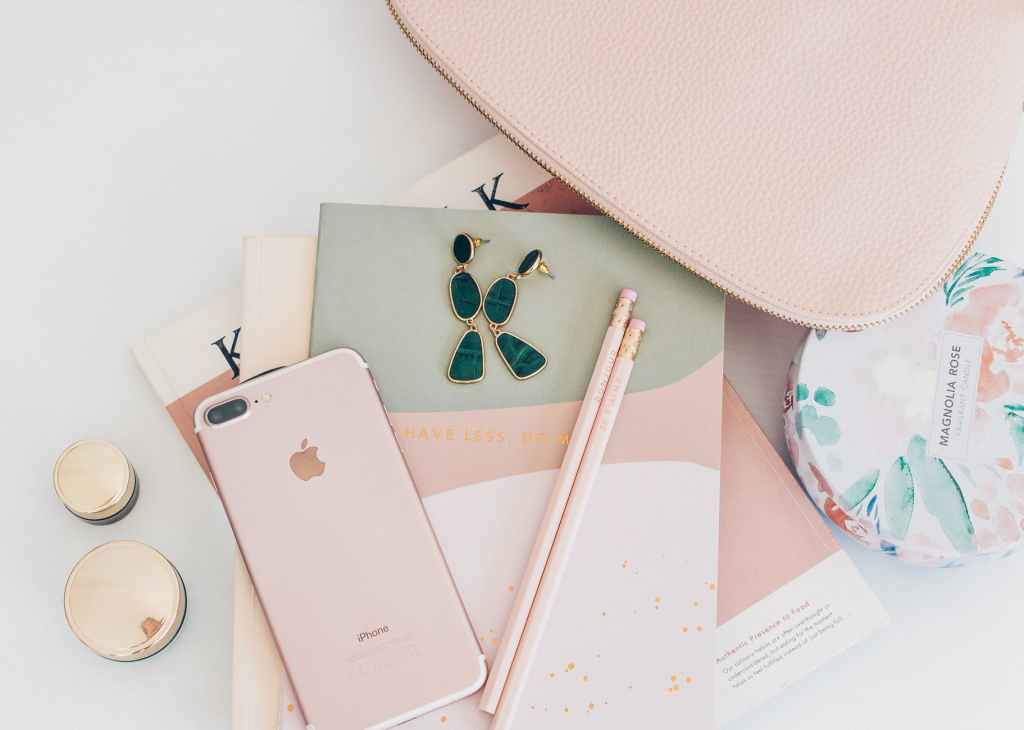
How many times have you seen a combination of a muted dusty pink, pale sea-green and lush green leaves on social media platforms? Or maybe soft neutral tones with minimalistic shadows and organic textures? Or come across a website that played around with ample white spaces and over-the-image header fonts?
I am sure you might not remember the brand or account’s name, but you got the visuals. This particular style is what is known as The Millennial Aesthetic; millennial referring to the generation by whom this aesthetic is loved so much. Although loved by the masses, this is what has contributed to blanding in many industries during recent times, including fashion. It is easy for your brand to get lost along with millions of other brands that have adopted the same aesthetic. It has now saturated the market due to its mass adoption.
Personalise. Don’t imitate.
In the end, I would like to conclude that although things have worked out for a few young brands who adopted blanding, it was not the branding that worked in most cases. One case would be offering a product or service at an exceptionally low price than the average market price which will most likely produce favourable results. Another would be having a pre-built audience. It may or may not work for you depending on a lot of factors. Hence, a personal approach and in-depth evaluation are necessary to figure out your way forward.
Schedule a session now to know how to get a competitive advantage and attract the right audience using impactful communication in the form of aesthetics, tone of language, brand’s color schemes and other tools. Create a strong identity and a build market presence for your brand.
Remember, good branding helps to achieve your goals faster and with fewer resources.
(Featured Photo by Jess @ Harper Sunday on Pexels.com)
 The Fashion Resources
Leave a comment