
May 27, 2021
Even with a terrific product, it is crucial to add significant psychological value so that its perceived value is heightened, which can be done through emotive design. Emotions play a great role in the buying decisions of customers since it creates a bond with them. This is applicable to most purchases, but even more relevant and evident in fashion.
Emotive Design is conscious designing that considers the triggers that evoke positive emotions in customers, resulting in favourable results for both the brand as well as the customers. It leads to the customer creating a perception (usually positive) about the brand and the product, thus enhancing the overall experience.
Few brands just focus on improving their product and bringing quantities to the table and overlook or even underestimate the emotive design aspect. As a result, either the brand performance is compromised big-time or the maximum potential of the product is not realised.
It is not just about the product anymore, but also the values embedded in the brand.
Emotive design is a very broad term. Recent examples of how emotions drive brand/product performance in fashion:
– Sale of white sneakers surged by 7800% since the debut of the series Squid Game in September 2021. (Source: Boss Hunting)
– After the shocking demise of Virgil Abloh, the visionary creative designer of Louis Vuitton and founder of the luxury streetwear brand Off-White, prices and demand for any product released during his time alive skyrocketed in the aftermarket websites by resellers. (Source: SonomaStateStar)
Emotive design is most important ingredient in the recipe of an impactful brand, consciously or unconsciously.
Eventually, it leads to ample positive outcomes including:
1. a lasting impression on your customers
2. improved sales and overall performance
3. catching the audience’s attention
4. retaining existing customers, or increasing customer loyalty
5. establishing authenticity by adding a personal touch
Appealing to emotions of the customers and evoking positivity creates a product with personality.
How to implement it successfully?
There are many tools but the most effective ones are:
– Great story-telling techniques: like how Alexander McQueen rendered in his collections, which were amazingly conceptualised. Having a signature style or continuing the legacy of the brand comes under this category.
– Having an impactful brand ID and communication. A specific example is the brand Patagonia, which has a strong identity and is an embodiment of high-quality sustainable products.
– An effective marketing campaign can work wonders if done right. Targeting to appeal to a specific audience to which the brand feels or caters. For example, Fenty, the inclusive brand founded by Rihanna, represented women of colour, or plus sizes. If your brand genuinely cares and communicates its values, then it might be enough to evoke interest.
-Another way would go the extra mile to customize/personalise a product.
– Sensory branding and strategic design of retail stores such as placing accessories near the counter.
Other ways which don’t involve design are indulging in social work and charity, and collaborations. For example, the recent partnership of Ganni and the clothing alterations and repair app Sojo.
In conclusion, without a doubt, an adequate product and value proposition are pillars to building your empire, but creating a brand of value is crucial, which can be achieved using emotive design.
Now providing one-to-one mentoring on how to implement effective emotive design techniques for fashion brands. Contact here to know more.
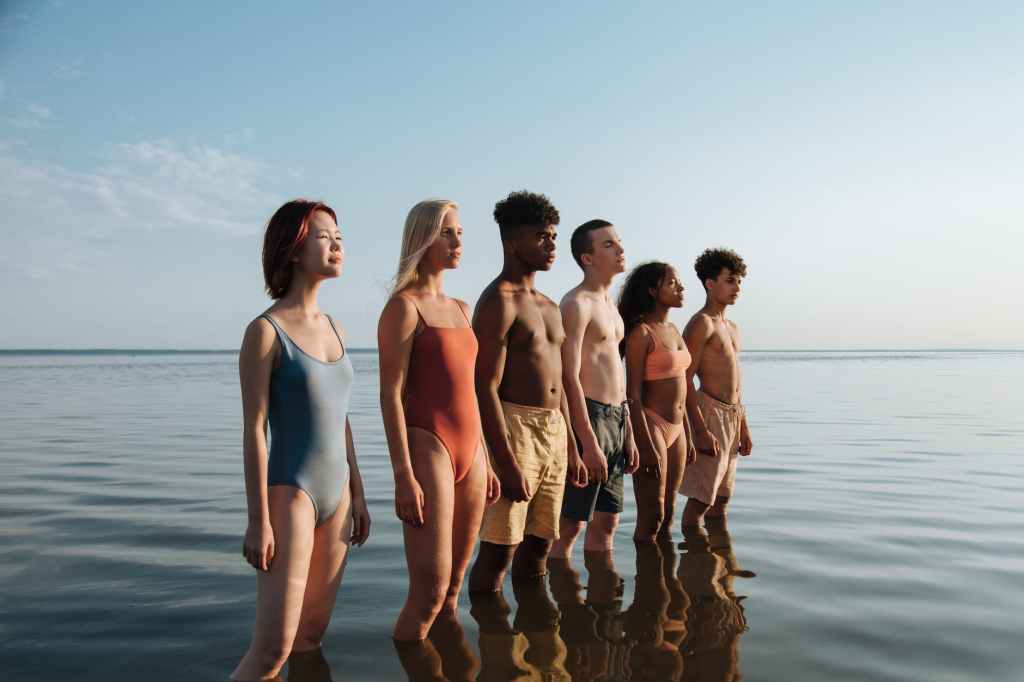
(Featured Photo via Pexels.com)
 The Fashion Resources
Leave a comment