
Oct 10, 2020
Overview
The sudden shift in lifestyle due to the current pandemic had a huge impact on almost every sector, including fashion. Plenty of fashion houses and manufacturers have to draw down their shutters while others have accelerated their steps towards a more eco-friendly model. For instance, the Italian label Gucci declared to cut down the number of shows from five to two annually.
It has expedited the digitalisation of fashion retail and reshaped consumer preferences in many ways. The impact on global fashion retail has been both positive and negative.
The rise of e-commerce platforms
The need for social distancing led to an inclination towards e-commerce marketplaces. Online fashion sales are expected to account for 36% of total fashion retail by 2022. (Forrester) We saw the trend-forecasting platforms putting out digital reports and having discussions about the post-pandemic era of fashion. Brands are now focussing on strengthening their presence and channelling their advertisements online. Hosting webinars, video meetings and virtual events including fashion shows have now become the norm. As this new digital wave swipes the world, we saw fresh ideas on the table to solve certain problems; like the Congolese fashion designer Anifa Mvuemba gaining a lot of attention after her virtual 3D fashion show went viral on Instagram watched and appreciated by thousands.

The digitalisation of retail operations
In response to Covid-19, brands are now attempting to reinvent traditional ways to suit the current times by digitalising supply chain operations. Apart from cutting the costs, this is shortening the time it took for the product to reach the stores. For example, earlier the product sample has to reach the design or buying team from the factory and after multiple iterations, it is then approved and put into production. This cycle consumed a lot of time. By building their digital infrastructure and shrinking the design development phrases, the process has now become much more convenient, economic, time-saving and also eco-friendly. According to BCG, An end-to-end digital transformation can squeeze the calendar by up to 40%.
Enhanced consumer awareness
Since lockdowns in most countries have shown significant improvement in the environment around the world within just a few days, the modern-day consumer has become much more conscious of the impact of human actions on the surroundings, even more so than before. This is reflecting in their choices when it comes to fashion. There is now a clearer distinction between consumers’ needs and wants. Isolation did make the consumers turn towards ‘retail therapy’ as a let out, but their preferences have been reshaped.
Increase in demand for cross-category clothing
Personal care products and gym-wear clothing saw an increase in demand in recent months. Cross-category clothing like sweatpants, cardigans and jumpers which can be worn for casual lounging, workout as well as above-the-keyboard office wear reported rapid growth in sales. Focus is on the versatility of pieces and comfort factor. Sales of pyjamas online surged a whopping 143% in April compared with March according to data from Adobe Analytics (CNBC). A soothing neutral color palette is trending during the season in soft plush eco-friendly fabrics, which gives a sense of well-being.
Boost in innovative tech materials
Recent times have left people to opt for healthier and safer options in every aspect. Innovative materials like antiviral fabrics and Ayurvedic infused finishes are gaining traction. Almost every brand was seen producing masks in multiple colors and patterns.
Big retailers are now collaborating with textile-tech firms to deliver technology in their clothing. For example, the denim brand Diesel announced its partnership with Polygiene in July, to incorporate virus-fighting technology in future garments which disables over 99% of viral activity within two hours of contact between pathogens and fabric. Other activewear brands like Under Armour have launched masks specially designed for workouts (GMA).
Economic impact on the fashion industry
The halt in manufacturing has resulted in an immense financial burden for brands and industries. It led to cancelled orders, laying dead stocks and a nightmare for garment workers. Many suffered pay cuts, layoffs and loss of jobs and were left with no plan-B.
Considering brands, they are now beginning to explore options for sourcing, producing products and procuring raw materials. Many Asian and African countries are emerging as potential trading hubs.
Crisis as an opportunity
Although most retailers, production units and factories have taken a huge hit, the crisis has been looked upon as an opportunity for some, especially local vendors, small businesses and upcoming brands. Flexible and fundamentally strong businesses were able to survive while others, unfortunately, succumbed to the unexpected situation. Although the world has slowly reopened, the massive impact of the pandemic is still lingering.
It is becoming increasingly important to keep up with the dynamic times. Reimagine the business in order to survive and get a competitive advantage. Schedule a session now to know how to build a strategy that will help your fashion business adapt to these changes in the best possible way.
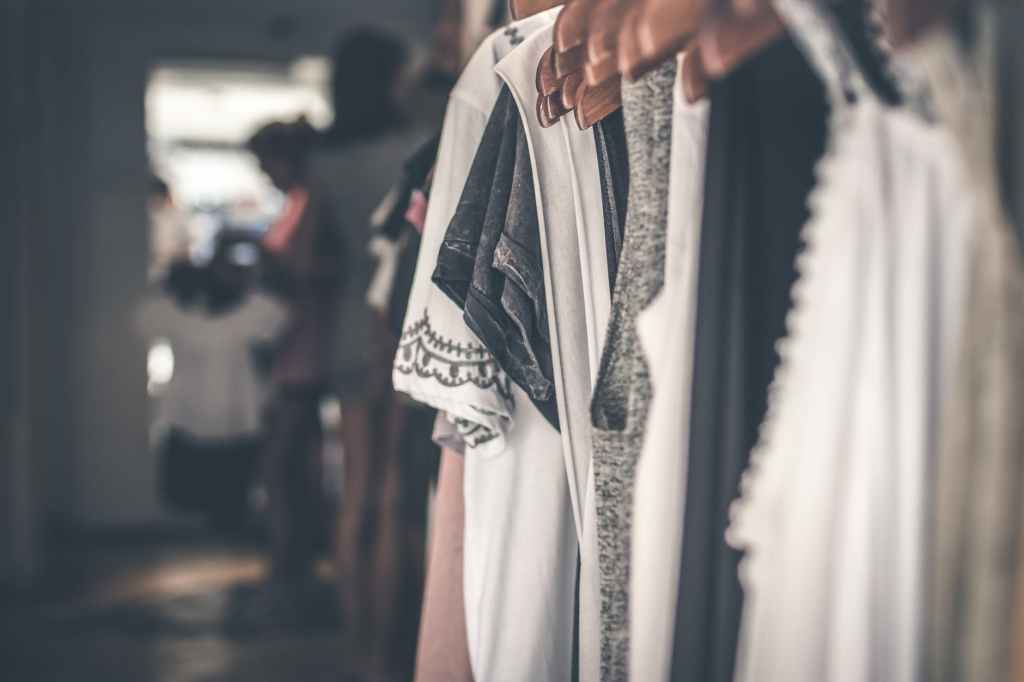
(Featured Photo by Artem Beliaikin on Pexels.com)


Leave a Reply